The Advancements Of Civil Engineering In Hydroelectric Power
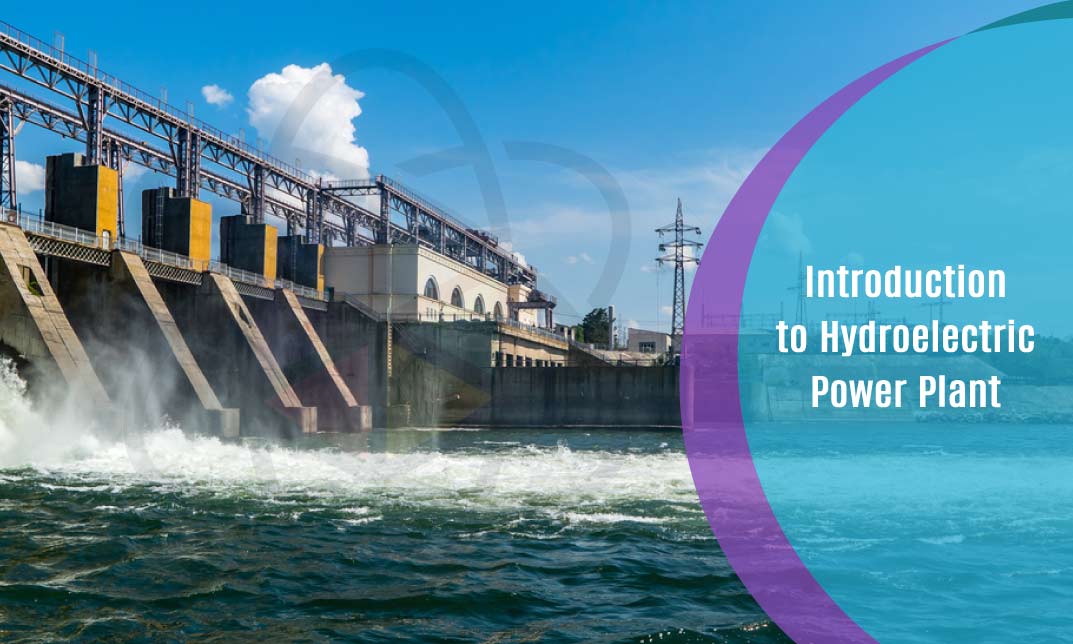
Looking to gain knowledge in the field of renewable energy? Hydroelectric power may just be what you are looking for. As one of the oldest and most reliable forms of renewable energy, Hydroelectric Power Plants have been successfully providing an alternative source of electricity for decades. But how does hydroelectric power work? How do we turn water into electricity? What is the science behind it all?
Before we jump into the interesting world of hydroelectric power, let's define what it is. Hydroelectric power is electricity that is generated by the movement of water through turbines, to drive generators. The water can come from dams, rivers, or even man-made channels.
Now that we know what Hydroelectric power is, let's look at the science behind the process. The process begins with a dam, which is used to collect water from a river or another body of water. Once collected, the water is released through a hydroelectric turbine, which is connected to a generator. The force of the water as it flows through the turbine causes the blades of the turbine to turn rapidly. This rotation causes the generator to produce electricity, which is then sent to the grid.
The effectiveness of a Hydroelectric Power Plant depends on the amount of water that is flowing through it. The more water that is flowing through the turbine, the more energy it can produce. This is why many Hydroelectric Power Plants are located near large bodies of water, where the water can be constantly replenished.
Another aspect of Hydroelectric Power Plants is the fact that they can be used for something called "Pumped-Storage Hydroelectricity". This process involves pumping water from a lower reservoir to a higher one during periods of low energy demand, essentially storing the energy for later use. When energy demand increases again, the water is released back to the lower reservoir, turning the turbine and generating energy.
So, what are the advantages of Hydroelectric Power Plants? Firstly, hydroelectric power is reliable and predictable, as long as there is a constant supply of water, the energy can be produced consistently. Additionally, it is a clean source of energy, as it produces no emissions or waste products. Furthermore, Hydroelectric Power Plants can be used for other purposes, such as irrigation, water supply, and flood control. And, let's not forget that hydroelectric power plants provide jobs and income for local communities.
FAQs
Here are some frequently asked questions about hydroelectric power plants:
What is the maximum power output of a hydroelectric power plant?
The maximum power output of a hydroelectric power plant depends on a variety of factors, such as the size of the plant, the amount of water available, and the efficiency of the turbines. However, large hydroelectric power plants can generate several gigawatts of energy.
What is the largest hydroelectric power plant in the world?
The world's largest hydroelectric power plant is the Three Gorges Dam in China, which has an installed capacity of over 22,500 MW.
How long does a hydroelectric power plant last?
A well-maintained hydroelectric power plant can last for several decades, with some plants lasting up to 50 years or more.
Are hydroelectric power plants environmentally friendly?
Hydroelectric power plants produce no emissions or waste products, making them one of the most environmentally friendly forms of energy production available.
What are the disadvantages of hydroelectric power plants?
One of the main disadvantages of hydroelectric power plants is that they can have a significant impact on the environment. The construction of dams and reservoirs can alter ecosystems and disrupt wildlife habitats. There is also concern about the impact that hydroelectric power plants can have on fish populations and water quality.
Can hydroelectric power plants operate during droughts?
Hydroelectric power plants require a constant supply of water in order to generate energy. During periods of drought, the water level may drop to a point where it is not possible to generate energy effectively.
What is the efficiency of a hydroelectric power plant?
The efficiency of a hydroelectric power plant depends on a variety of factors, such as the size and design of the plant, the efficiency of the turbines, and the amount of water available. However, on average, hydroelectric power plants have an efficiency of around 90%.
In conclusion, hydroelectric power is one of the most reliable and efficient forms of renewable energy available today. With the ability to provide constant, clean energy for years to come, it is no surprise that hydroelectric power is becoming increasingly popular around the world. However, it is important to consider the impact that hydroelectric power plants can have on the environment, and to ensure that they are constructed and operated responsibly.
Whether you are looking to pursue a career in renewable energy or simply want to learn more about alternative energy sources, hydroelectric power is a fascinating and important topic to explore.

Post a Comment for "The Advancements Of Civil Engineering In Hydroelectric Power"