The Intersection Of Civil Engineering And Transportation Planning
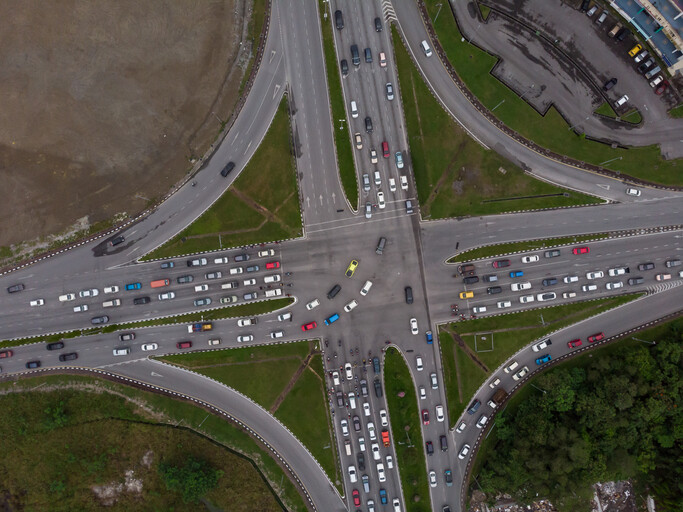
Greetings, fellow students of civil engineering. Today, we will be discussing an important topic for the Civil Engineering PE Exam: Intersection Capacity. In this article, we will explore what Intersection Capacity is and why it is an important topic to understand, as well as some frequently asked questions and tips for mastering the subject matter.
What is Intersection Capacity?
Intersection Capacity is defined as the ability of an intersection to accommodate traffic demands. Simply put, it is the number of vehicles that can pass through an intersection in a certain amount of time. This is an important consideration in transportation engineering and is often used to determine if an intersection needs to be redesigned or if traffic signals need to be changed to accommodate a higher volume of traffic.
Why is Intersection Capacity important?
Intersection Capacity is important for a few reasons. For one, it affects the overall safety of the intersection. If an intersection is overcrowded, this can lead to accidents and increased traffic congestion. It also affects the efficiency of traffic flow. An intersection that can accommodate a higher volume of traffic will be able to move vehicles through more quickly, which is important for reducing travel time and minimizing delays.
Factors Affecting Intersection Capacity
There are a number of factors that can affect the capacity of an intersection. Some of these factors include:
- The number of lanes at the intersection
- The type of traffic control being used (e.g., traffic signals, roundabouts)
- The saturation flow rate (i.e., the maximum number of vehicles that can pass through a lane during a given period of time)
- The duration of the green light for each direction of traffic
Calculation of Intersection Capacity
To calculate Intersection Capacity, one can use a few different methods. One common method is to use the Highway Capacity Manual (HCM), which provides guidelines for calculating the capacity of a variety of intersection types. The HCM takes into account many of the factors previously mentioned, such as the type of traffic control and the saturation flow rate.
Frequently Asked Questions
Q. What is the difference between Intersection Capacity and Level of Service?
A. The Level of Service (LOS) is a measure of the quality of traffic flow at an intersection, while Intersection Capacity is a measure of the quantity of traffic that can pass through the intersection. While they are related, they are not interchangeable.
Q. How does the size of an intersection affect its capacity?
A. Generally speaking, larger intersections tend to have higher capacities because they are able to accommodate more lanes of traffic and can typically handle higher traffic volumes.
Q. What are some methods for improving Intersection Capacity?
A. Some methods for improving Intersection Capacity include widening the road, adding more turn lanes, implementing more advanced traffic control systems (such as smart traffic signals), and using roundabouts instead of traditional intersections.
Tips for Mastering Intersection Capacity
Here are some tips for mastering Intersection Capacity:
- Understand the various factors that can impact intersection capacity, such as the type of traffic control and the saturation flow rate.
- Familiarize yourself with the Highway Capacity Manual and its guidelines for calculating intersection capacity.
- Be aware of the different types of intersections and how they are designed to handle traffic flow.
- Practice with sample problems and case studies to hone your understanding of intersection capacity calculations.
Conclusion
Intersection Capacity is an important topic for civil engineering students to understand. By understanding the factors that impact intersection capacity and how to calculate it, we can better design safe and efficient transportation systems that move people and goods where they need to go. With practice and perseverance, we can master this topic and excel in our field. Thank you for reading!

Post a Comment for "The Intersection Of Civil Engineering And Transportation Planning"