The Intersection Of Civil Engineering And Biotechnology
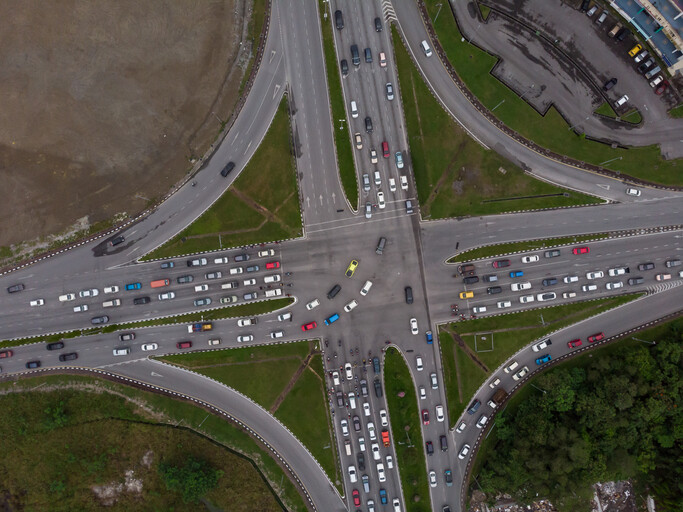
As a Farmer, you probably deal with transportation in your daily life. Whether it’s driving your farm vehicles or sharing the road with others, transportation is an essential part of your life. Intersection capacity is an important aspect of transportation, especially in urban areas, where traffic is heavy. In this post, we will discuss intersection capacity and its importance in civil engineering and transportation planning.
What is Intersection Capacity?
Intersection capacity is the maximum number of vehicles that can pass through an intersection in a given amount of time. It is a measure of the intersection’s ability to handle traffic flow. Intersection capacity is influenced by various factors, including:
- The number of lanes on each approach
- The presence of turning lanes
- The length of time a traffic signal allows for each movement
- The size and use of adjacent land parcels
- The volume and composition of traffic
Understanding the intersection capacity is crucial for civil engineers and transportation planners to design and maintain efficient and safe intersections.
Why is Intersection Capacity Important?
Intersection capacity is important for several reasons:
- Safety: An intersection that cannot handle the traffic volume can be dangerous, especially when drivers make hasty or reckless decisions to get through.
- Efficiency: A well-functioning intersection enables smooth traffic flow, reduces congestion, and cuts down travel time, which positively impacts productivity and the economy.
- Sustainability: An intersection with high capacity means fewer emissions and thus, a healthier environment.
Therefore, intersection capacity is crucial for achieving sustainable, safe, and efficient transportation systems.
How is Intersection Capacity Measured?
Intersection capacity is typically measured in terms of the “level of service” (LOS) provided by an intersection. LOS is a qualitative measure of how well an intersection meets driver expectations. It considers various factors, such as:
- The duration of the signal cycles
- The wait time for vehicles
- The ease with which drivers can enter and exit the intersection
LOS is graded from A to F, with A being the best and F being the worst. An intersection rated A means it operates smoothly and efficiently, while an intersection rated F means it is not working well and traffic is severely congested.
How is Intersection Capacity Improved?
There are several ways to improve intersection capacity, including:
- Adding lanes: This is the most straightforward way to increase capacity, but it may not always be feasible due to limited space or budget.
- Reducing conflict points: Conflict points are areas of intersections where vehicles, bicycles, and pedestrians cross paths. By reducing the number of conflict points, engineers can improve safety and capacity.
- Optimizing traffic signal timings: By optimizing traffic signal timings, engineers can improve traffic flow and reduce congestion.
The Future of Intersection Capacity
The demand for efficient and safe transportation is increasing with the growing population and urbanization. To meet these demands, engineers are developing innovative designs and technologies to improve the intersection capacity, such as:
- Connected and Autonomous Vehicles: These are vehicles that communicate with each other and the traffic infrastructure to optimize movement and minimize congestion.
- Smart Traffic Signals: These signals use real-time traffic data to adjust timings, optimize flow, and reduce wait times for vehicles.
- Innovative Pavement Materials: These materials have better durability and can reduce noise levels, thus improving the intersection capacity.
As a Farmer, you rely on transportation for your livelihood, and understanding intersection capacity is crucial. It ensures the safety and efficiency of the transportation system, which positively impacts the economy and the environment. With the new technologies and designs in development, the future of intersection capacity looks promising.
Conclusion
In summary, intersection capacity is the measure of the maximum number of vehicles an intersection can handle in a given amount of time. It is measured in terms of the level of service (LOS), which grades how well an intersection meets driver expectations. Intersection capacity is critical for ensuring safe, efficient, and sustainable transportation systems. Engineers can improve intersection capacity by adding lanes, reducing conflict points, and optimizing traffic signal timings. With the development of innovative designs and technologies such as connected and autonomous vehicles, smart traffic signals, and innovative pavement materials, the future of intersection capacity looks promising. Understanding intersection capacity is crucial for Farmers as it affects their daily lives and livelihoods.
FAQ
What is intersection capacity?
Intersection capacity is the maximum number of vehicles that can pass through an intersection in a given amount of time.
Why is intersection capacity important?
Intersection capacity is important for safety, efficiency, and sustainability of the transportation system.
How is intersection capacity measured?
Intersection capacity is measured in terms of the level of service (LOS) provided by an intersection.
How is intersection capacity improved?
Intersection capacity can be improved by adding lanes, reducing conflict points, and optimizing traffic signal timings, among other methods.
What is the future of intersection capacity?
The future of intersection capacity looks promising with the development of innovative designs and technologies such as connected and autonomous vehicles, smart traffic signals, and innovative pavement materials.

Post a Comment for "The Intersection Of Civil Engineering And Biotechnology"