The Psychology Of Civil Engineering Design
Have you ever wondered how psychology and engineering can work together? The answer is engineering psychology. It is an interdisciplinary field that merges psychology and engineering to improve human interaction with technology, products, and work systems. Engineering psychology focuses on combining psychological principles with engineering principles to design and create products and systems that enhance the human experience. In this article, we will delve into what engineering psychology is and how it can benefit society.
What is Engineering Psychology?
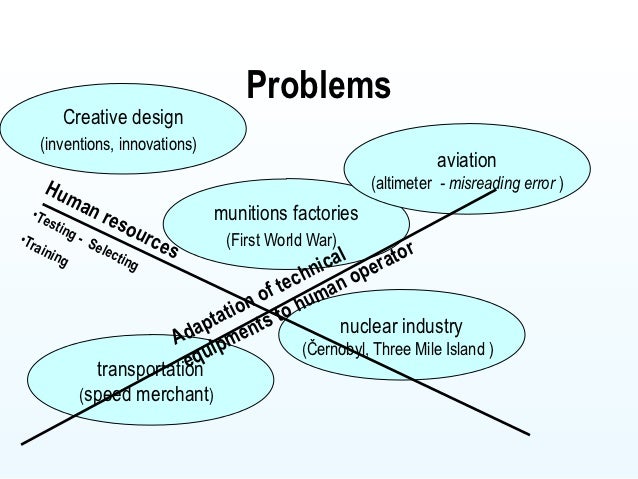
Engineering psychology, also known as human factors engineering, is a field of applied psychology that deals with designing and optimizing products and processes for human use. In other words, it is concerned with creating technology that is user-centered and optimized for human use. Engineering psychologists study how people use technology, products, and work systems, and then they apply that knowledge to improve the design and usability of those systems.
Engineering psychology is an interdisciplinary field that combines aspects of psychology, engineering, and design. Some of the key areas that engineering psychologists focus on include:
- Human performance
- Human-computer interaction
- Ergonomics and workplace design
- Safety and risk management
By studying how people interact with technology and products, engineering psychologists can develop solutions that enhance usability, performance, and safety. For example, an engineering psychologist might work on designing a new airplane cockpit that is optimized for pilot use, or they might work on developing smartphone interfaces that are easier to use for people with disabilities.
How Can Engineering Psychology Benefit Society?
Engineering psychology has enormous potential to benefit society by improving the usability, safety, and accessibility of technology and products. By designing technology that is optimized for human use, engineering psychologists can minimize errors, reduce user frustration, and create products that are more efficient and effective. Some of the key benefits of engineering psychology include:
- Improved safety in the workplace and other settings
- Better usability and accessibility for people with disabilities
- Reduced errors and increased efficiency in industrial settings
- Improved human-computer interaction in software and other technology
- Enhanced user experience and satisfaction with products and systems
The field of engineering psychology is continually evolving, and new research is constantly uncovering new ways that psychology and engineering can work together to improve the human experience. As technology becomes more integrated into our daily lives, engineering psychologists will play an increasingly crucial role in creating products and systems that are optimized for human use.
Frequently Asked Questions (FAQ)
What is the difference between engineering psychology and human factors engineering?
Engineering psychology and human factors engineering are often used interchangeably, but there is a subtle difference. Engineering psychology focuses more on the psychological aspects of human interaction with technology and products, while human factors engineering is more concerned with the physical and environmental design aspects. In practice, the two terms are often used interchangeably.
What kind of jobs can I get with a degree in engineering psychology?
There are many different career paths you can take with a degree in engineering psychology. Some of the most common job titles for engineering psychology graduates include:
- Human Factors Engineer
- User Experience Designer
- Product Design Engineer
- Human-Computer Interaction Specialist
- Ergonomics Specialist
Engineering psychologists can work in a variety of settings, including academia, government agencies, private companies, and nonprofit organizations.
How important is engineering psychology in modern technology design?
Engineering psychology is becoming increasingly important in modern technology design as technology becomes more integrated into our daily lives. As more people rely on technology to perform everyday tasks, it is crucial that that technology is designed with the user in mind. Engineering psychologists play a vital role in ensuring that technology is user-centered and optimized for human use.
What kind of skills do I need to succeed as an engineering psychologist?
Success as an engineering psychologist requires a unique blend of skills from psychology, engineering, and design. Some of the key skills that are essential for success in this field include:
- Strong analytical and problem-solving skills
- Excellent communication and interpersonal skills
- Ability to work collaboratively with a diverse team
- Ability to design and conduct research studies
- Familiarity with human factors engineering and ergonomic principles
Additionally, experience with computer programming and software design can be beneficial for engineering psychologists.
Conclusion
Engineering psychology is a fascinating and rapidly evolving field that is transforming the way we design and use technology. By combining psychology and engineering principles, engineering psychologists are creating products and systems that are optimized for human use. The benefits of this interdisciplinary field are far-reaching, from improved safety and accessibility to enhanced user experience and satisfaction. As technology becomes more integral to our daily lives, engineering psychology will continue to play a crucial role in creating products and systems that improve the human experience.

Post a Comment for "The Psychology Of Civil Engineering Design"