The Role Of Civil Engineering In Developing Disaster-Resilient Cities
Hey y'all!
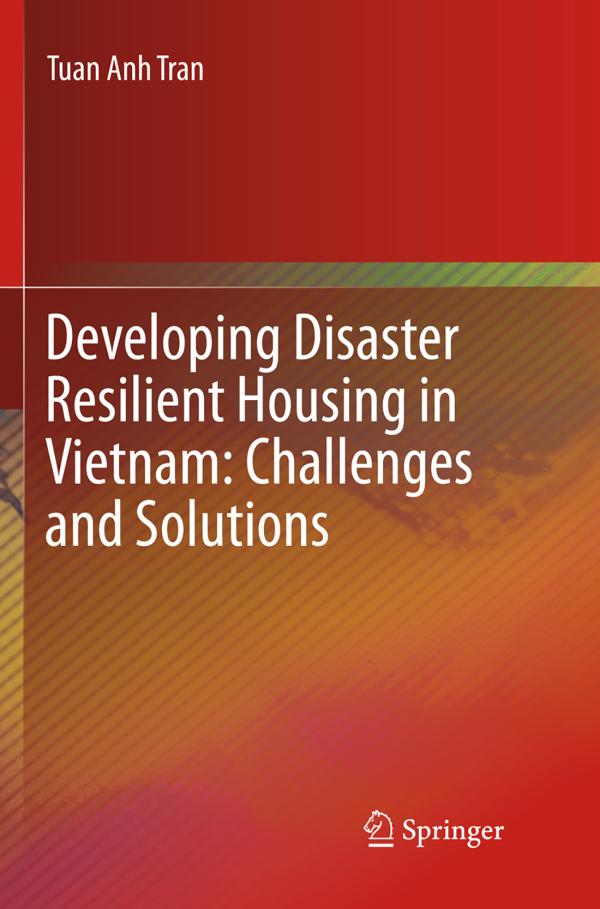
Have y'all ever thought about the impact disasters have on people who are lacking proper housing? Well, in Vietnam, they're working on developing disaster resilient housing to tackle this issue. The book "Developing Disaster Resilient Housing in Vietnam Challenges and Solutions" discusses ways to provide safer and more sustainable housing options for the people of Vietnam. Keep reading to learn more!
Frequently Asked Questions
What is disaster resilient housing?
Disaster resilient housing is housing that is designed and built to be able to withstand natural disasters such as earthquakes, floods, and hurricanes. This means that the building materials used and the construction methods employed are able to withstand the forces of nature and keep the people inside safe.
What are the challenges faced in Vietnam when it comes to disaster resilient housing?
One of the biggest challenges is the lack of proper building codes and regulations. This leads to poor construction practices and weak building materials being used. Additionally, affordable housing options are limited, making it difficult for low-income families to upgrade to disaster resilient housing.
What are some solutions proposed in the book?
The book proposes several solutions, such as increasing public awareness about the importance of disaster resilient housing, providing financial assistance to low-income families to upgrade their homes, and enforcing stricter building codes and regulations.
Why is Developing Disaster Resilient Housing Important?
Developing disaster resilient housing is important for several reasons. Firstly, it helps save lives by providing safer housing options during natural disasters. Secondly, it helps reduce the cost of post-disaster recovery efforts by minimizing the damage caused by natural disasters. Thirdly, it helps increase the sustainability of the housing sector by promoting the use of sustainable building materials and construction methods.
In Vietnam, where natural disasters such as typhoons, flooding, and landslides are common, developing disaster resilient housing is an urgent need.
The Current State of Disaster Resilient Housing in Vietnam
Currently, the Vietnamese government has implemented several policies to promote the development of disaster resilient housing. The National Strategy and Program for Disaster Risk Management and Prevention (2013-2020) is one such policy. This policy aims to improve the resilience of housing in disaster-prone areas and ensure that the poor and vulnerable have access to safer housing options.
Additionally, NGOs such as Habitat for Humanity are also working towards providing disaster resilient housing in Vietnam. Habitat for Humanity has been working on a project called "Building Disaster-Resilient Communities in Central Vietnam" since 2019. The project aims to support the rehabilitation and reconstruction of homes affected by natural disasters in central Vietnam.
The Future of Disaster Resilient Housing in Vietnam
Although progress has been made, there is still much work to be done. The Vietnamese government needs to enforce stricter building codes and regulations to ensure that all new building constructions are resilient to natural disasters. Additionally, financial assistance needs to be provided to low-income families so that they can upgrade their homes. Private sector involvement is also crucial in promoting the development of disaster resilient housing.
The future of disaster resilient housing in Vietnam looks promising. With NGOs, the government, and the private sector all working towards the same goal, we can hope to see a significant reduction in the impact of natural disasters on the citizens of Vietnam.
Conclusion
Developing disaster resilient housing is not only a matter of safety but also a matter of sustainability and affordability. The book "Developing Disaster Resilient Housing in Vietnam Challenges and Solutions" provides valuable insights into how we can achieve this goal in Vietnam. Let's hope that we can continue to make progress and provide safer and more sustainable housing options for everyone.
Thanks for reading y'all!
Post a Comment for "The Role Of Civil Engineering In Developing Disaster-Resilient Cities"