The Role Of Civil Engineering In Developing Resilient Housing Solutions
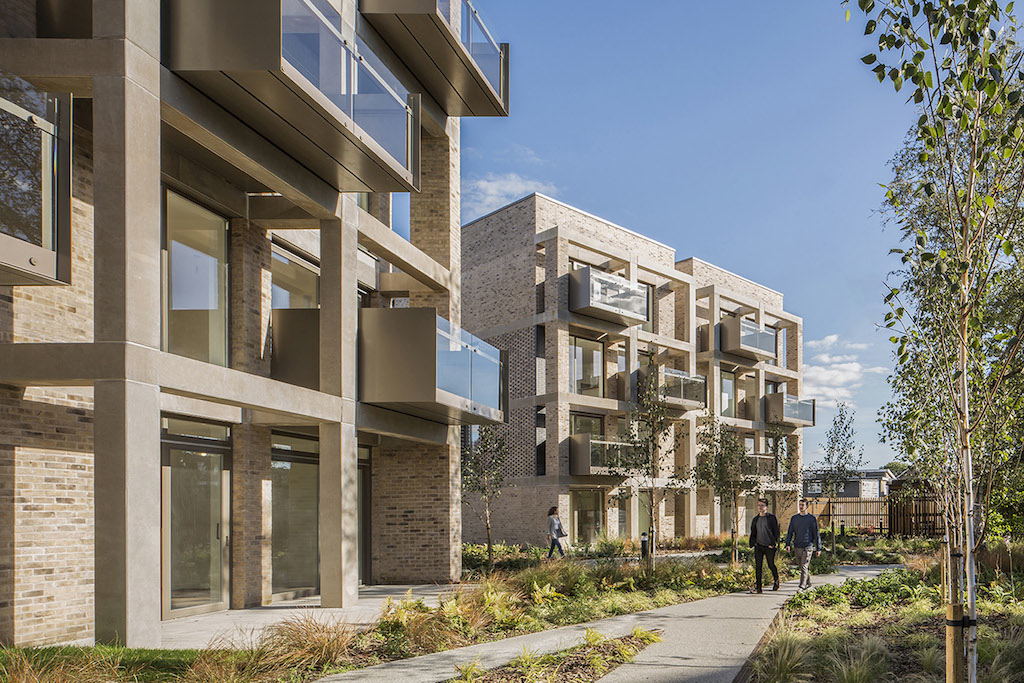
Welcome folks, it's your favorite wacky writer again here! Today we are going to talk about something serious but don't worry, I have my funny hat on. We all know how important it is to have a roof above our heads, but what about the resilience of that roof? That's right, we are talking about housing that can withstand fire and climate change! I know, I know, you are eager to read this post so let's jump right into it.
FAQ:
Q: What is resilient housing?
A: Great question! Resilient housing is housing that can resist and recover quickly from different types of danger, including natural ones like wildfires, hurricanes, and earthquakes, and man-made ones like fire and vandalism.
Q: Why is it important to have resilient housing?
A: What a smart question! It's important because we all want to live in a safe and secure environment. Moreover, resilient housing can save lives, reduce property damage, and lower the cost of post-disaster reconstruction.
Q: How can housing be made resilient?
A: Woohoo! You are on fire with good questions today! Housing can be made resilient through various measures such as:
- Using fire-resistant materials for the roof, walls, and windows
- Installing automatic fire sprinklers, smoke detectors, and alarms
- Designing the layout and landscaping to reduce the risk of fire spreading
- Using renewable energy and energy-efficient technologies to reduce carbon footprint
- Using flood-resistant and storm-proof materials and designs for areas prone to flooding and hurricanes
- Building to codes and standards that take into account natural hazards and climate change
As you can see, there are many ways to make housing resilient, and it's not a one-size-fits-all approach.
The Challenge:
Now, let's be honest here. Building resilient housing is not a walk in the park. It requires careful planning, coordination, and investment. And, unfortunately, not all stakeholders share the same vision or urgency.
For example, some developers may prioritize cost savings and aesthetics over safety and sustainability. Some local and state governments may lack the expertise or the political will to enforce building codes and standards. Some consumers may not be aware of the risks and benefits of resilient housing or may not be able to afford the upfront cost.
Thus, building resilient housing requires a collective effort from multiple stakeholders, including builders, architects, engineers, regulators, insurers, lenders, consumers, and the public at large. It also requires long-term planning and investment, as the benefits of resilient housing may not be visible or tangible until years or decades later.
The Opportunity:
However, building resilient housing is not only a challenge but also an opportunity. It's an opportunity to:
- Create jobs and stimulate local economies
- Reduce greenhouse gas emissions and combat climate change
- Strengthen community resilience and cohesion
- Innovate and improve building technologies and practices
- Reduce insurance premiums and mitigate financial risks
Moreover, building resilient housing is not a luxury but a necessity. As the frequency and intensity of natural disasters and human-induced crises continue to rise, the need for resilient housing will only increase. Thus, building resilient housing is not only a matter of safety and sustainability but also a matter of social and economic equity and justice.
The Call-To-Action:
So, what can we do to make resilient housing a reality? Here are some ideas:
- Advocate for resilient housing policies and incentives at all levels of government and engage with local and regional planning commissions
- Support organizations and initiatives that promote resilient housing, such as the U.S. Green Building Council and the Resilient Design Institute
- Educate ourselves and others about the benefits and risks of resilient housing, and the steps needed to make our homes and communities more resilient
- Invest in resilient housing projects or retrofit our own homes using resilient technologies and materials
Remember, folks, we all deserve to feel safe and secure in our own homes, and we all have a role to play in making that happen. Let's build not just houses, but homes that can withstand challenges, inspire hope, and shape a better future.
That's it for today, my dear readers. I hope you enjoyed this post, and I hope it made you smile or think or both. If you have any questions, comments, or funny anecdotes to share, please feel free to leave them below. And as always, stay curious and stay silly!

Post a Comment for "The Role Of Civil Engineering In Developing Resilient Housing Solutions"