Sustainable Solutions In Civil Engineering
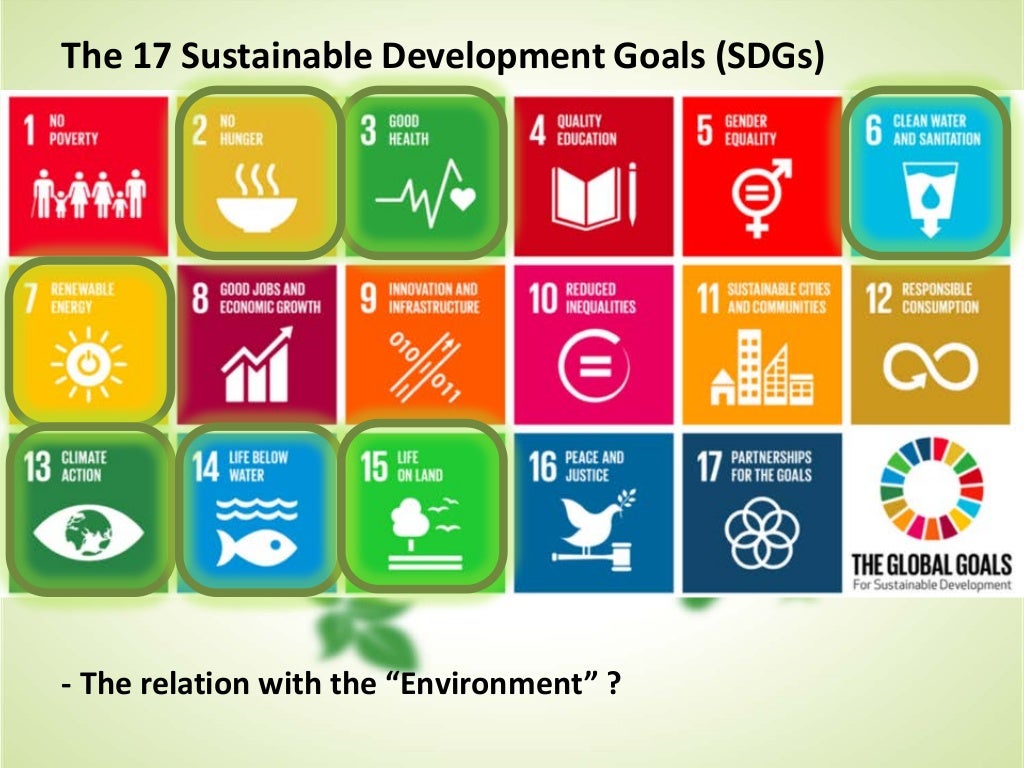
Well hello there friends! It’s your favorite funny guy (me), and I’m here to talk about some civil engineering for sustainable development. I know, I know, it sounds a bit dry, but trust me, it’s not as boring as it sounds. So, let’s dive right in and get started, shall we?
Introduction
Civil engineering is a pretty broad field that encompasses a lot of different areas, but at its core, it’s all about creating and maintaining infrastructure. What kind of infrastructure, you ask? Well, pretty much anything you can think of: highways, bridges, buildings, water treatment plants, airports, you name it, civil engineers are the ones making sure it all works.
But what about sustainable development? That’s where things get really interesting. Sustainable development means creating infrastructure that meets the needs of the present generation without compromising the ability of future generations to meet their own needs. In other words, we want to build stuff that lasts, without wrecking the planet in the process.
FAQ
Now, I know you all have a lot of burning questions about civil engineering for sustainable development, so let’s get into some common FAQs.
What kind of projects fall under civil engineering for sustainable development?
Pretty much anything that involves building or maintaining infrastructure. So, for example, a civil engineer working on a highway project might be looking at ways to reduce carbon emissions from vehicles or minimize the impact on local wildlife habitats. Or, a civil engineer working on a water treatment plant might be looking at ways to conserve water or reduce energy usage in the plant.
Why is sustainable development important for civil engineering?
Well, for starters, the population of our planet is growing rapidly, and as we continue to build and expand our infrastructure, we’re going to need resources (like water, energy, and materials) to make it happen. If we don’t plan carefully and consider the environmental impact of our projects, we could end up using resources at an unsustainable rate, which could lead to environmental degradation and harm to human and wildlife populations.
What kind of technologies are being used in civil engineering for sustainable development?
There are a host of new technologies being developed that can help civil engineers design and build more sustainable infrastructure. For example, green roofs (which are covered in plants) can help reduce stormwater runoff and provide insulation for buildings. Smart traffic management systems can help reduce congestion and improve air quality in urban areas. And 3D printing technology is being used to create stronger, more efficient building materials.
What kind of skills do you need to be a civil engineer in sustainable development?
Well, first and foremost, you need to be a good problem solver. Sustainable development often involves balancing competing demands (like the need for economic growth vs. the need for environmental protection), and you’ll need to be able to think creatively and come up with solutions that work for everyone. You also need to have a solid understanding of math, science, and engineering principles, and be able to apply them to real-world problems.
Conclusion
So there you have it, folks: civil engineering for sustainable development in a nutshell. It’s a complex and challenging field, but one that’s absolutely critical for the future of our planet. Whether it’s designing buildings that use less energy, developing new transportation systems, or finding ways to conserve water and other resources, civil engineers are at the forefront of the fight for a more sustainable future.
Thanks for listening (or reading, I guess). Stay funny, my friends!
Post a Comment for "Sustainable Solutions In Civil Engineering"