The Dynamics Of Coastal Protection Engineering In Civil Infrastructure
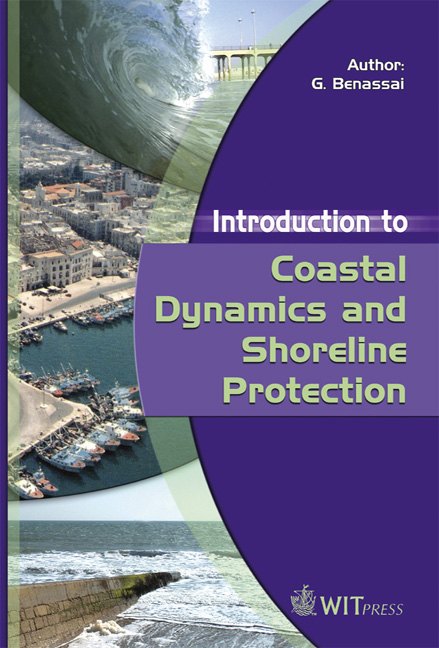
Hello there, my fellow farmers. Today, I thought I would take some time to discuss the topic of coastal dynamics and shoreline protection. As farmers, we often see the devastating effects of erosion on our land and crops, and it is important to understand the science behind it.
The term "coastal dynamics" refers to the natural movement of sediment, waves, and tides that occur along our coastlines. These processes can have significant impacts on the shape and size of our beaches and dunes, and can contribute to the erosion of our shorelines.
So, what can we do to protect our shorelines? One popular solution is the use of hard engineering structures, such as seawalls or groins. These types of structures are effective at reducing erosion, but they can also have negative impacts on the environment and can be costly to build and maintain.
Another approach is the use of soft engineering techniques, such as beach nourishment or dune restoration. These techniques work with natural processes to build up our shorelines and maintain their shape and size. They can be less expensive than hard engineering structures, and often have fewer negative impacts on the environment.
It is important to note that there is no one-size-fits-all solution to coastal erosion. The best approach will depend on a variety of factors, including the specific conditions at your site, budget constraints, and environmental considerations.
Frequently Asked Questions
What causes coastal erosion?
Coastal erosion is caused by a combination of factors, including waves, tides, and currents, as well as the movement of sediment along the shoreline. Human activities, such as development and construction projects, can also contribute to erosion by altering the natural processes that shape our coastlines.
How does erosion impact farmers?
Erosion can have significant impacts on farmers, including the loss of valuable farmland, damage to crops and infrastructure, and increased flooding and sedimentation. It is important for farmers to understand the risks associated with erosion and to take steps to protect their land and crops.
What are some effective ways to protect shorelines?
As mentioned earlier, there are a variety of approaches to protecting shorelines, including the use of hard and soft engineering techniques. Other effective strategies may include coastal vegetation management, regulation of development and land use, and the implementation of coastal erosion response plans.
How can I assess the risk of erosion on my farm?
There are a variety of tools and resources available for farmers to assess the risk of erosion on their land. One approach is to consult with a local erosion control expert or soil conservation agency, who can provide information on specific risks and solutions for your area. It is also important to stay informed about local weather patterns and to monitor changes in the landscape over time.
What are the potential environmental impacts of coastal protection methods?
Hard engineering structures, such as seawalls or groins, can have negative impacts on the environment by altering natural sediment movement and disrupting habitats for marine and coastal species. Soft engineering techniques, such as beach nourishment, can also have impacts on local ecosystems and may require careful planning and monitoring to ensure effectiveness and minimize negative impacts.
Are there any funding options available for coastal protection projects?
There are a variety of funding options available for coastal protection projects, including government grants and loans, private foundation grants, and crowd-sourced funding options. It is important to carefully consider the costs and benefits of each funding source, and to work with local experts to develop a comprehensive funding strategy.
What is the role of local governments in coastal protection?
Local governments play a critical role in coastal protection, including the development and implementation of regulations, policies, and planning initiatives. They may also provide funding or technical assistance for coastal protection projects, and may work with stakeholders to promote public awareness and engagement.
There you have it, fellow farmers. An introduction to the world of coastal dynamics and shoreline protection, complete with FAQs to help answer any questions you may have. Remember, protecting our shorelines is not only important for our land and crops, but also for the health of our environment and local communities.

Post a Comment for "The Dynamics Of Coastal Protection Engineering In Civil Infrastructure"