The Future Of Intelligent Transportation Systems In Civil Engineering
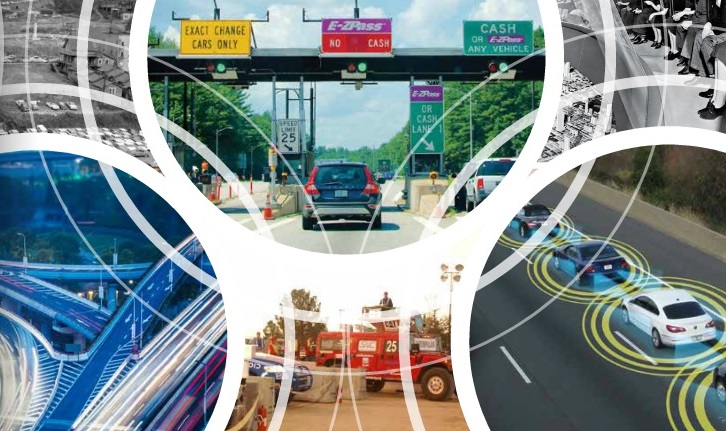
Intelligent Transportation Systems (ITS) have transformed the way we think about transportation. At their core, these systems refer to the use of advanced technologies such as sensors and communications networks to improve the efficiency and safety of transportation systems. The goal of ITS is to create a more seamless, reliable, and sustainable transportation system for the future. In this article, we will provide an overview of the key developments in the history of ITS, the current state of the field, and what the future may hold.
The Early Days of ITS
The roots of ITS can be traced back to the 1960s and 1970s, when the Federal Highway Administration (FHWA) began developing advanced technology systems for the transportation sector. These early systems were largely focused on improving traffic management and safety, such as the installation of electronic traffic control devices on highways.
During this period, the FHWA also began developing a communications network that would eventually allow transportation agencies across the country to share real-time data about traffic conditions and other information. This network was known as the Intelligent Vehicle Highway Systems (IVHS) program.
The 1990s and the Birth of Modern ITS
Despite these early developments, it was not until the 1990s that ITS began to take on its modern form. In 1991, the Intermodal Surface Transportation Efficiency Act established the ITS program within the Department of Transportation, providing funding for research and development of new systems and technologies.
One of the major milestones during this period was the development of Global Positioning System (GPS) technology, which allowed vehicles to be tracked in real-time. This technology was first deployed in commercial aviation, but it quickly spread to other modes of transportation.
Another key development during this period was the widespread adoption of computerized traffic control systems. These systems used data from various sources, such as cameras and road sensors, to optimize traffic flow and reduce congestion.
The Rise of Mobility as a Service
In recent years, the transportation sector has undergone a significant transformation, driven in large part by the rise of Mobility as a Service (MaaS). MaaS refers to the provision of transportation services through a digital platform, allowing users to easily access and pay for a range of mobility options including public transit, ride-sharing, and bike-sharing.
MaaS has been made possible by the rapid development of ITS technologies such as GPS, smartphone apps, and real-time data analytics. These technologies allow transportation providers to offer more convenient and cost-effective services, while also improving the overall efficiency of the system.
The Future of ITS
Looking ahead, it is clear that ITS will continue to play a key role in shaping the future of transportation. One of the most exciting developments is the emergence of connected and autonomous vehicle (CAV) technology, which has the potential to revolutionize mobility in a number of ways.
CAVs rely on a range of advanced sensors and communications technologies to navigate crowded roadways, avoid collisions, and make split-second decisions. In the coming years, we can expect to see further advances in this field, with the ultimate goal being fully autonomous vehicles that can operate safely and efficiently without human intervention.
Other areas where ITS is likely to have a significant impact include smart cities, logistics and supply chain management, and the development of new transportation modes such as hyperloop technology.
FAQ
What is ITS?
Intelligent Transportation Systems (ITS) refer to the use of advanced technologies such as sensors and communications networks to improve the efficiency and safety of transportation systems.
What are some examples of ITS technologies?
Examples of ITS technologies include GPS, computerized traffic control systems, smartphone apps, and real-time data analytics.
How has ITS impacted transportation?
ITS has had a major impact on transportation, improving safety, reducing congestion, and increasing the efficiency of the system as a whole.
What is Mobility as a Service?
Mobility as a Service (MaaS) refers to the provision of transportation services through a digital platform, allowing users to easily access and pay for a range of mobility options including public transit, ride-sharing, and bike-sharing.
What is the future of ITS?
The future of ITS is likely to involve further advances in connected and autonomous vehicle technology, as well as the development of new transportation modes and smart city infrastructure.
Conclusion
From its early beginnings in the 1960s and 1970s, ITS has come a long way, with innovations such as GPS, real-time data analytics, and computerized traffic control systems transforming the transportation sector. Looking ahead, the continued development of CAV technology and the rise of MaaS are likely to shape the future of ITS, offering new possibilities for safer, more efficient, and more sustainable transportation systems.

Post a Comment for "The Future Of Intelligent Transportation Systems In Civil Engineering"